Razor bumps look like a rash, act like a nuisance, and have a simple cause most of the time: hair cut too short or at the wrong angle curls back and grows into the skin instead of out of it. Men with curly or coarse beards in Gastonia know the pattern well. The shave feels smooth on Monday, the neck itches on Tuesday, and by Wednesday small, tender bumps line the jaw and throat. At Union Road Barbers, the fix is rarely a new miracle product. It is a change in direction, pressure, and blade choice, practiced in the right order.
If you have never built a bump-prevention routine, treat this as a first-timer's walkthrough. Go in sequence for two weeks before judging it. Skipping steps, especially the prep and the direction change, is why good advice often seems not to work.
Why some skin hates a close shave
A multi-blade razor lifts and cuts the hair slightly below the skin line. Straight skin and straight hair tolerate that. Curved follicles and curly hair often do not, because the sharp, angled tip left behind has a short trip back into the surrounding skin. Add heavy pressure, dry shaving, or shaving against the grain on the neck, where grain direction swirls and changes, and bumps multiply. Ingrown hairs are not a hygiene failure. They are a geometry problem, and geometry problems respond to technique changes better than to scrubbing harder.
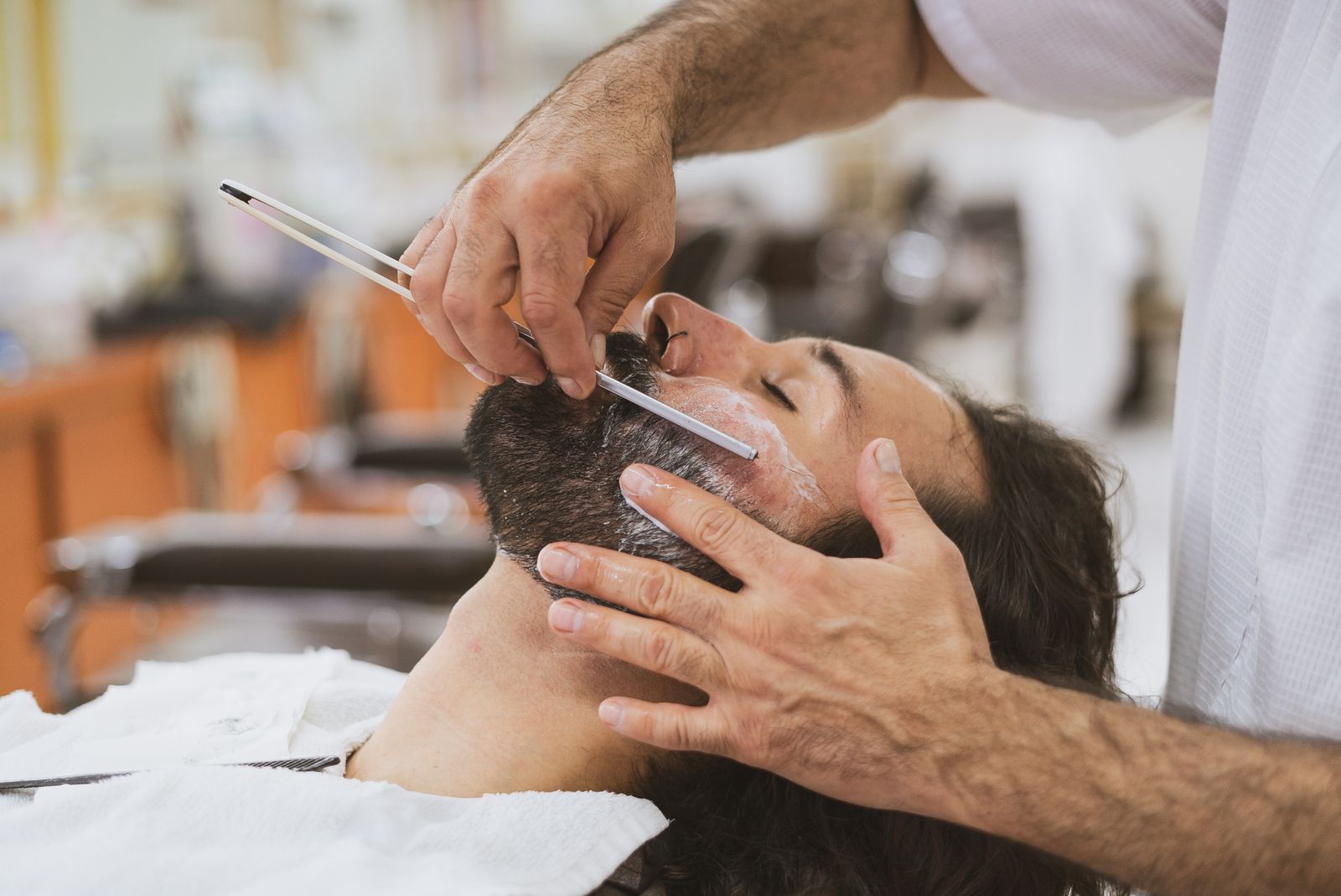
The prevention routine, step by step
- Map your grain first. Let stubble grow a day, then run a fingertip over your face and neck. Smooth means with the grain, scratchy means against it. Note that the neck often has two or three directions. This map controls every step after it.
- Soften for a full two minutes. Shave after a warm shower or hold a warm, wet towel on the beard area. Softened hair needs far less force to cut, which means less pressure and less irritation.
- Use a single blade where bumps live. A single-blade razor or a careful trimmer finish on the neck cuts at the surface, leaving the tip where it can grow out freely. Keep multi-blade razors, if you use them, for the cheeks where bumps are rare.
- Shave with the grain, with light strokes. Short strokes, almost no downward pressure, rinsing the blade often. One pass with the grain beats two aggressive passes. Leave a faint shadow on the neck if that is what bump-free skin requires.
- Rinse cool and moisturize plainly. Cool water calms the skin. Follow with a simple, fragrance-light moisturizer. Skip heavy alcohol splashes on irritated areas, which sting and dry without preventing bumps.
- Exfoliate gently on non-shave days. A soft washcloth or a gentle chemical exfoliant a few times a week lifts trapped tips before they inflame. Never scrub raw bumps. Gentle and regular beats harsh and occasional.
- Give trapped hairs an exit, not a squeeze. If a bump has a visible loop of hair, a clean, gentle lift of the tip with a sterilized tool can free it. Do not dig, squeeze, or cut into the skin. Painful, spreading, or pus-filled spots need medical attention, not bathroom surgery.
What to change in the shop and at home
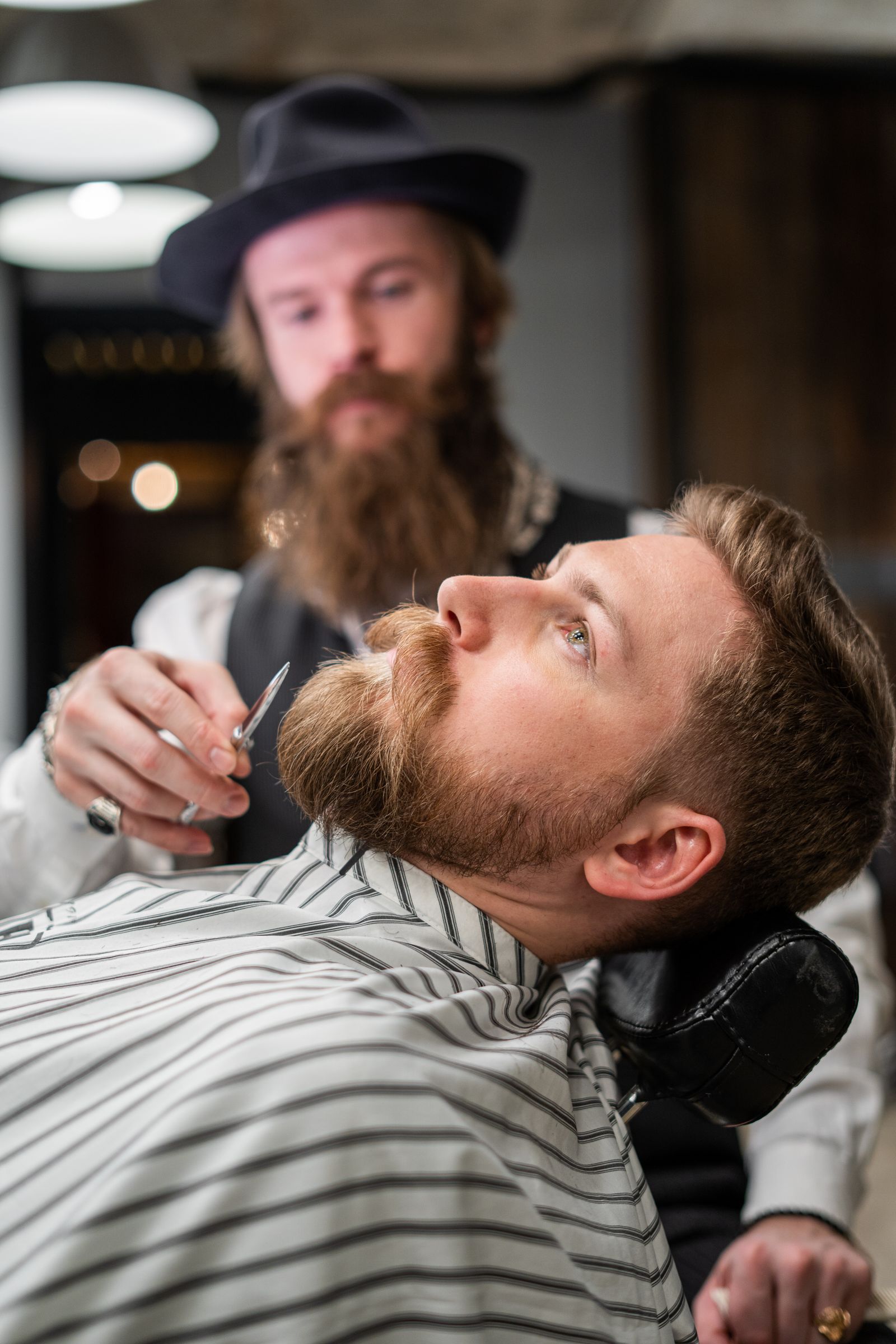
Tell your barber that bumps are your main concern, especially before a hot towel shave or an edge-up. A good barber will adjust: less stretching of the neck skin, no against-the-grain pass on your worst zone, and a trimmer finish where a blade always costs you two days of irritation. At home, replace dull blades early. A dull blade drags, tempts you to press, and requires repeat passes, hitting all three bump triggers at once. Keep the razor clean and dry between uses, and do not store it in a puddle in the shower where the edge degrades and bacteria thrive.
When bumps are more than bumps
Most razor bumps settle within days once the technique changes, and new ones stop forming within one to two weeks. See a clinician promptly if you see spreading redness, warmth, increasing pain, yellow crusting, fever, or bumps that scar and darken in patches despite gentle care. Those signs point to infection or a skin condition that technique alone will not fix. In Gastonia's humid summers, sweat and tight collars aggravate healing skin, so give a flare-up air, loose collars where you can, and a pause from shaving the area until it calms. Returning to a close shave too soon restarts the cycle at its worst point.
Common questions
Is a closer shave always worse for ingrown hairs?
For bump-prone skin, usually yes on the neck and jawline. Cutting below the skin line is the main trigger, so a slightly less close result that grows out cleanly is the better trade.
How long until a new routine shows results?
Existing bumps need days to heal, but new bumps should drop noticeably within one to two weeks of shaving with the grain using a single blade and light pressure.
Should I stop shaving completely during a flare-up?
Pausing on the affected area helps most flare-ups settle. If you must look neat for work, use an electric trimmer with a guard so no blade touches the irritated skin.
Photos in this guide are representative stock images.
← All guides from Union Road Barbers← Back to Union Road Barbers