Trends cycle fast in barbering, but three cuts keep coming back to the chairs in Gastonia decade after decade: the side part, the crop, and the classic contour. They survive because each one solves a real problem. The side part gives loose or fine hair a clear direction. The crop gives thick, unruly hair a controlled shape with almost no styling. The contour gives a traditional, rounded silhouette that grows out gracefully. At Union Road Barbers, most style questions eventually narrow to one of these three, plus the honest follow-up: which one suits your hair and your mornings?
Think of this piece as troubleshooting rather than a fashion tour. Start from the symptom, meaning the thing your current cut does wrong, work to the likely cause, and end with the cut that fixes it, or the small adjustment that saves the cut you already like.
Start from the symptom
If your hair falls in your face by midday and has no set direction, the cause is usually length without structure. Hair long enough to flop needs either a part to organize it or a shorter crop to remove the flop. If your hair looks puffy at the sides and flat on top within a week of a cut, the cause is often bulk left in the wrong places for your growth pattern, and a textured crop or a tapered contour handles it better than taking everything shorter. If your cut looks sharp in the shop and messy by day three, the cause is frequently a style that depends on heavy product or precise drying. All three classic cuts can be tailored to low-effort versions, but only if you tell the barber your real routine before the cut, not after.
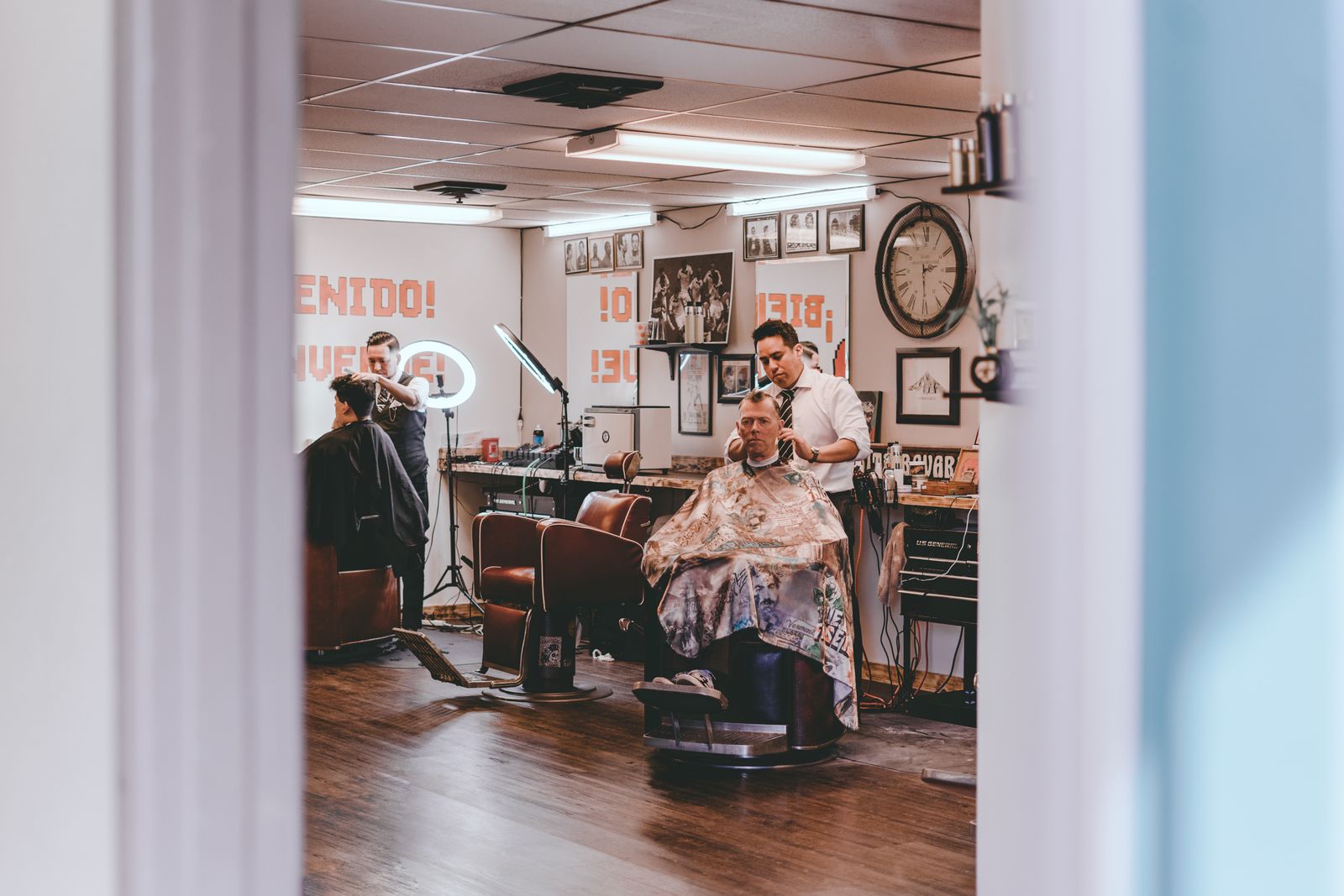
Working the diagnosis, step by step
- Name the daily failure in one sentence. Falls forward, puffs at the sides, shows scalp when styled, or needs ten minutes you do not have. One clear symptom beats a folder of photos.
- Match it to the cut built for it. No direction points to the side part. Unruly bulk points to the crop. A boxy, harsh grow-out points to the softer classic contour.
- Check the hairline and crown honestly. A strong natural part favors the side part. A double crown fights a neat crop fringe less than it fights a swept style. A high hairline often looks better in a crop or contour than in a long parted top.
- Set the styling budget before cutting. Side part: two to five minutes with a comb and a little product. Crop: under a minute, product optional. Contour: one to three minutes, mostly combing into place.
- Fix it yourself for one cycle. If the symptom is mild, try the matched routine change first, such as parting while damp or styling the crop forward, for two weeks before changing the cut itself.
- Call in the professional when shape is the problem. Bulk in the wrong zone, a fringe that will not sit, or a part that splits at the crown are cutting problems. No product corrects them, so book the adjustment instead of buying another jar.
The three cuts, plainly described
The side part keeps length on top, combed to one side from a defined part, with tapered or faded sides. It suits straight to wavy hair and reads neat in an office, a courtroom, or a family photo. The crop is short all over with a textured top worn forward and a short fringe. It suits thick, straight, or slightly wavy hair and forgives cowlicks by removing the length they need to misbehave. The classic contour is the traditional barber cut: longer top following the head's shape, blended sides with a soft outline, nothing shaved to skin unless you ask. It suits men who want a timeless shape, who dislike the feel of a tight fade, or whose workplace prefers conservative. None of the three requires chasing a trend. Each can be tightened or softened to the decade, the job, and the face in the chair.
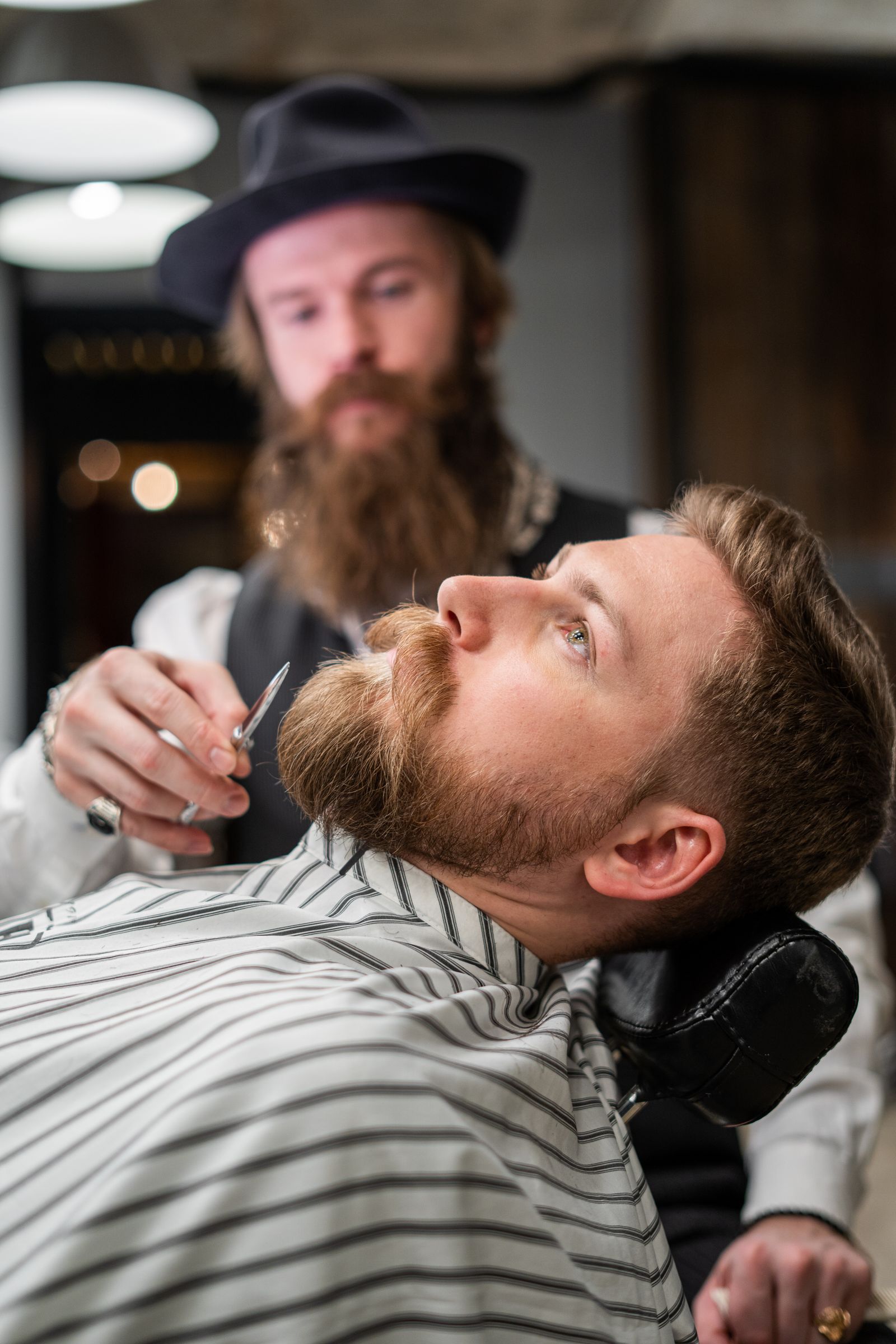
Staying with a classic on purpose
There is a quiet advantage to a cut that never really leaves: every competent barber knows it, photos of you across twenty years look consistent, and grow-out is predictable enough to plan around. If you travel for work, a classic cut is also portable, because a barber in another city can read it at a glance. The risk is autopilot, where the same cut gets repeated after your hair changes. Receding at the front, thinning at the crown, and going grey all change how the three cuts read. Grey hair is often coarser and benefits from the crop's texture. A thinning crown argues for the contour's softer blend over a high-contrast fade. Review the choice once a year with your barber in Gastonia, keep what still works, and adjust the rest by degrees rather than by reinvention.
Common questions
Which of the three needs the least daily styling?
The crop, by a clear margin. A short textured crop worn forward often needs only damp hands in the morning, with product as an option rather than a requirement.
Can a side part work with curly hair?
Yes, with enough length for the curl to form the part and a barber who cuts curls with their shrinkage in mind. Very tight curls usually do better in a crop or a longer contour.
How do I ask for a contour without sounding dated?
Ask for a classic tapered cut that follows the head shape with a soft neckline, and show where you want the top length. Barbers use contour language daily and will know the shape you mean.
Photos in this guide are representative stock images.
← All guides from Union Road Barbers← Back to Union Road Barbers